
ADVANCED MARQUIS, LLC Advanced Marquis LLC · Irvine, California
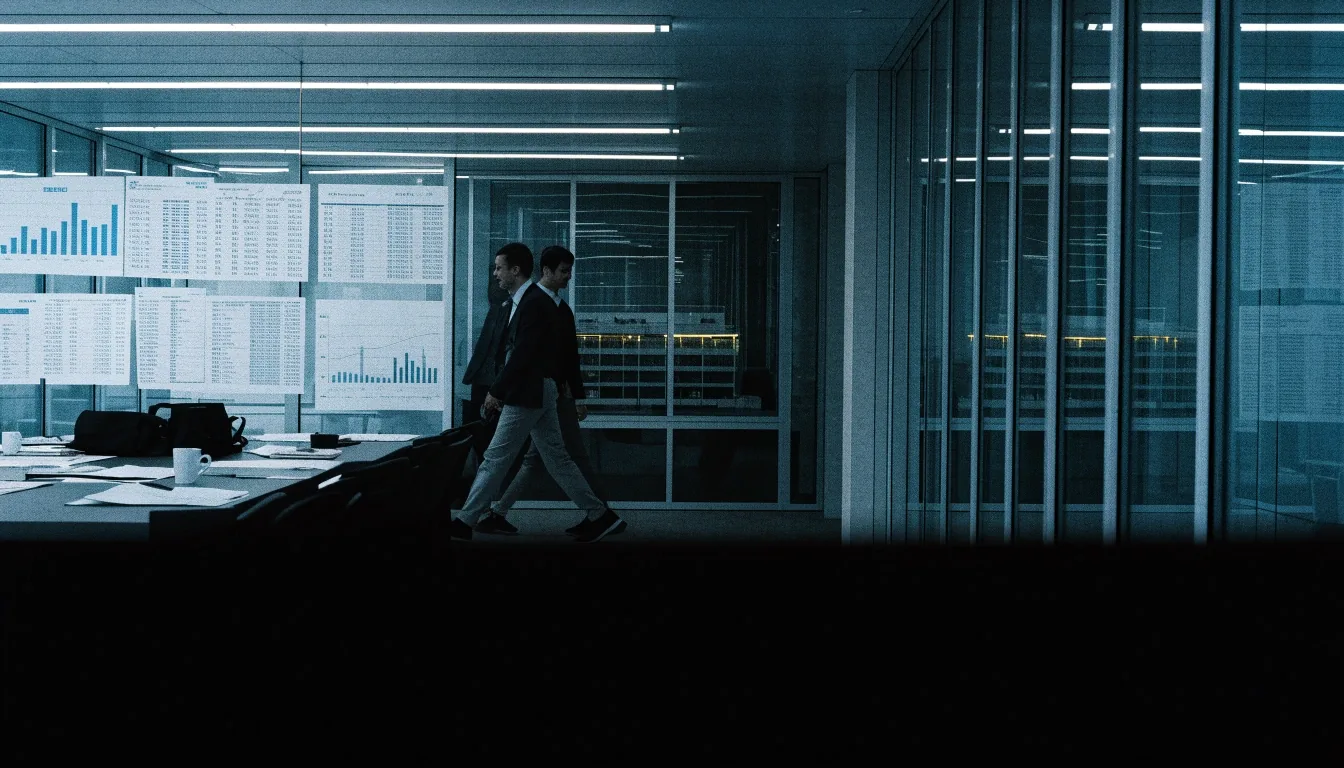
Deal-room desk with a building massing model and papers during a midyear review

Advanced Marquis, LLC — Irvine, California

Yield first. The building comes second.

Our real estate investment process from screening to monitoring — every stage has a defined output, and a property that fails a stage does not advance on enthusiasm.

The pinned figure

Cash flow after debt, not a headline yield.

We pin the return an owner actually receives before we let the building make its case. Cap rate frames the price; it never stands alone.

NOI from real leases Cash flow after debt Occupancy tested, not assumed Basis points spelled out

The sequence

A clear process protects both sides from confusion.

Ours moves from market screening to underwriting, due diligence, and ongoing monitoring. Each stage asks specific questions, and the answers decide whether a property moves on. You can use the same sequence to judge any commercial real estate opportunity — in Irvine or anywhere else.

Screening

Market screening sets the field

Screening begins with the market, not the building. We ask whether the submarket has employment growth, whether supply is arriving faster than demand, and whether the property type fits local needs. A multifamily asset in a job-growing area starts ahead of one in a shrinking market. An industrial property near a major logistics corridor starts ahead of speculative space far from population.

Market screening removes most candidates quickly, which is its purpose. The properties that remain earn the right to be underwritten.

NOI / CAP RATE / CASH FLOW

Underwriting turns assumptions into a range

Underwriting builds net operating income from real leases and expenses, then applies vacancy, capital reserves, and other costs. We model cash flow after debt, because that is the return an owner actually receives. Cap rate comparisons help frame the price, yet they never stand alone.

We test slower rent growth and higher vacancy to find the assumption that matters most. A property that only works under strong assumptions is flagged at this stage — that flag is information, not embarrassment.

DEBT AVAILABILITY / BASIS POINTS

Debt review happens before a price is set

We review debt availability early, while price is still negotiable. Lenders ask about sector, location, tenant quality, and sponsor strength, and their answers shape the equity required. A rate difference measured in basis points can change annual cash flow by a material amount over a loan term.

Prepayment terms and loan maturity matter too, because they limit your options later. If debt terms erase the cash flow, the correct action is to adjust the price or walk away. Financing is not an afterthought.

Verification

Due diligence verifies what the model assumed

Hover or focus the plate to pull the field note forward.

LEASES / RENT ROLLS / CONDITION

Due diligence checks the facts behind the underwriting. We review leases, rent rolls, operating statements, tax records, and property condition reports. We confirm that the tenants named in the model exist, that their leases say what the model claims, and that expenses match historical records.

Physical inspection covers roof, systems, and deferred maintenance that a spreadsheet cannot see. Any gap between the model and the documents becomes a negotiating point or a reason to stop. Verification is where optimism meets paperwork.

Field note

If a lease, a rent roll, and the model tell three different stories, the documents win — and the price conversation starts again.

Risk review and the decision to proceed

Before a decision, we compile the risks in one place. Lease expirations, tenant concentration, insurance, property taxes, local supply, and refinancing needs each get a stated exposure. We then ask how those risks interact in a bad year, not just in a normal one. A property with several medium risks can be more fragile than a property with one large risk you can manage.

This review also sets the terms we would require, including price, reserves, and timeline. A decision without stated terms is not a decision.

After acquisition

Ongoing asset monitoring after acquisition

Ownership does not end the analysis. We monitor occupancy, tenant health, expenses, and local market changes against the original underwriting. If a major tenant shows weakness, we plan for rollover early rather than waiting for the lease to expire. If insurance or taxes rise faster than projected, we adjust reserves and future assumptions.

Monitoring also catches the moment when a property has reached its intended stage and a sale should be considered. The discipline that bought the property should also manage it.

Communication during the process

You will hear what we found, not what we wish were true.

We communicate in plain terms at each stage, including when the answer is no. A seller who hears a clear reason for rejection can make a better decision about price or timing. An investor who sees the assumptions can challenge them before capital is committed. Silence helps no one, and vague encouragement helps even less. Our Irvine office at 15320 Barranca Parkway, Suite 100, is the point of contact for questions about a property in process.

Screening sets the field Underwriting sets the range Diligence verifies the facts Monitoring keeps the discipline